How to Choose the Right Compostable Tableware for Your Business
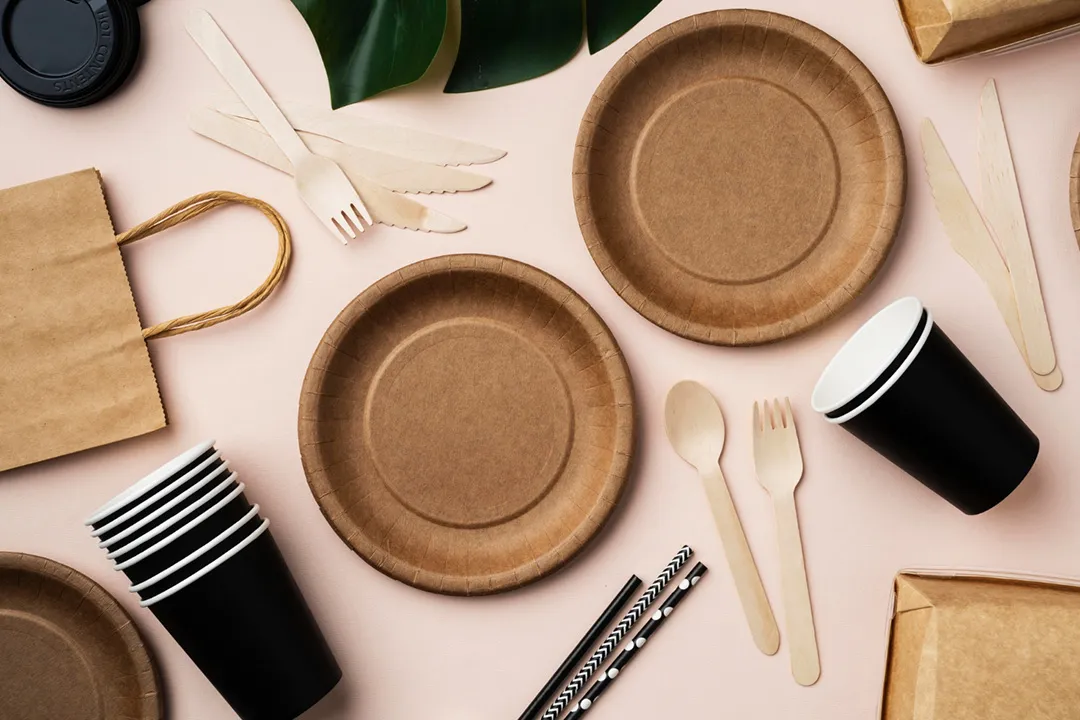
Choosing the right compostable tableware for your business requires understanding material types, durability, food-safety standards, and sustainability certifications. Businesses in Singapore should assess product strength, heat resistance, and supplier reliability before ordering. Evaluating wholesale options also ensures cost efficiency while supporting eco-friendly operations.
Why Compostable Tableware Matters Today
Businesses across Singapore increasingly choose compostable tableware to reduce waste, meet customer expectations, and support greener operations. As sustainability becomes a core brand value, restaurants, cafés, caterers, and event organisers look for reliable products that perform well without harming the environment. Understanding how to choose the right compostable tableware helps your business make responsible, cost-effective decisions.
This guide explains how businesses can select the best eco-friendly disposable plates, bowls, and cutlery, while exploring essential criteria such as durability, material type, and Singapore wholesale considerations.
Understanding Compostable Tableware and Its Benefits
Compostable tableware is designed to break down naturally into organic matter under the right composting conditions. Unlike conventional plastic, these products do not leave toxic residues or contribute to long-term pollution.
Businesses prefer compostable options because they:
- Support sustainability targets.
- Improve brand reputation
- Reduce reliance on single-use plastics.
- Offer safe, food-grade materials.
Moreover, many biodegradable disposable plates provide excellent strength and heat resistance, making them suitable for daily food service.
Key Materials Used in Compostable Tableware
Before choosing, it is essential to compare the materials commonly used in compostable tableware:
1. Bagasse (Sugarcane Fibre)
Bagasse is one of the most popular choices because it is strong, heat-resistant, and cost-efficient. It works well for hot foods, oily dishes, and large serving portions.
2. PLA (Polylactic Acid)
PLA is made from cornstarch and is often used for cups, lids, and clear containers. It offers excellent clarity and is ideal for cold food and beverages.
3. Bamboo and Wood
4. Palm Leaf Products
Palm leaf plates provide a natural, rustic look and can handle high heat. They are compostable and durable.
Understanding these materials helps businesses choose the best compostable tableware in Singapore based on food type, branding preferences, and budget.
How to Choose the Right Compostable Tableware for Your Business
This section integrates the main focus key phrase: How to Choose the Right Compostable Tableware for Your Business.
1. Assess Your Business Needs
Different operations require different tableware strengths and sizes. For example:
- Cafés may prioritise cups and small plates.
- Catering companies may require large trays.
- Food stalls may need leak-proof bowls.
Understanding your food types ensures durability and safety.
2. Evaluate Material Strength and Performance
Since compostable options vary in strength, always check:
- Heat tolerance.
- Oil and liquid resistance.
- Sturdiness for heavy dishes.
Durability is critical to maintaining customer confidence.
3. Check Sustainability Certifications
Look for labels such as:
- BPI-certified compostable.
- EN 13432 compliance.
- FSC-certified bamboo.
These ensure the tableware meets international environmental standards.
4. Compare Suppliers Offering Compostable Tableware Singapore Wholesale
Wholesale purchasing reduces costs and ensures consistent supply. When choosing a supplier:
- Review their product range.
- Compare MOQs (minimum order quantities).
- Assess shipping efficiency.
- Confirm if they offer bulk price tiers.
Reliable suppliers help businesses stay consistent and sustainable.
5. Consider Branding and Customer Perception
Eco-friendly disposable plates send a strong sustainability message. Many businesses choose branded prints or custom-made designs to stand out.
6. Review Disposal Requirements
Compostable products decompose faster when sent to the right facilities. Businesses should educate staff and customers about proper disposal to maximise environmental impact.

Why Eco-Friendly Disposable Plates Are Worth the Investment
Eco-friendly disposable plates are not only sustainable but also practical for modern F&B operations. They offer:
- Strong structure for all meal types.
- A positive brand image.
- Reduced long-term environmental impact.
Additionally, biodegradable disposable plates are becoming more affordable, especially when purchased in bulk.
Choosing the Best Compostable Tableware in Singapore
Singapore’s F&B industry values efficiency and sustainability. When evaluating the best compostable tableware Singapore suppliers, businesses should prioritise:
- High-quality bagasse plates.
- Heat-resistant bowls.
- Compostable cutlery sets.
- Leak-proof takeaway containers.
Choosing the right combination ensures your business is both environmentally responsible and operationally efficient.
Conclusion
To recap, understanding how to choose the right compostable tableware for your business involves evaluating performance, materials, certifications, wholesale options, and customer expectations. When businesses choose the right products, they enjoy better sustainability, improved brand reputation, and stronger customer trust. As demand for greener solutions increases, now is the best time to transition to compostable alternatives.
Frequently Asked Questions
1. What is compostable tableware?
2. Is compostable tableware better than biodegradable?
Yes. Compostable items break down fully and safely, while biodegradable items may leave traces or require longer decomposition periods.
3. Can compostable plates handle hot food?
Bagasse, bamboo, and palm leaf tableware handle hot, oily, and heavy foods very well, making them suitable for commercial use.
4. Where can I buy compostable tableware Singapore wholesale?
Many packaging manufacturers and eco-friendly suppliers in Singapore offer bulk purchases for restaurants, cafés, and caterers.
5. Are compostable products more expensive?
Although slightly higher in price, they offer long-term environmental and brand value. Wholesale purchasing reduces costs significantly.
Share
